


What is “Strive for 5”?
Every year, millions of dollars are lost because of temperature-related product spoilage, a challenge that had been common in industries handling sensitive goods. The “Strive for 5” principle aims to change that.

“Strive for 5” is a temperature control initiative that puts focus on the importance of maintaining a consistent temperature of 5°C for transporting and storing perishable goods. This set temperature is critical for preserving the quality, safety, and efficacy of products like fresh food, pharmaceuticals, and vaccines, which require precise handling and storage.
By maintaining 5°C, businesses comply with regulatory standards, protect consumer health, and reduce waste, making “Strive for 5” a fundamental practice in logistics and supply chain management.
This principle aligns with regulatory standards such as NSW Health’s Cold Chain Management Guidelines and the Australian Department of Health Immunisation Guidelines. It is important that businesses implement reliable systems to meet them effectively.
Why is “Strive for 5” Critical in Cold Chain Management?
To understand its full significance, let’s delve into how temperature compliance standards support the “Strive for 5” principle:
Temperature control compliance requires businesses to commit to globally recognised standards, including the WHO Vaccine Storage Guidelines, Hazard Analysis and Critical Control Points, and Australian Government Guidelines.
In cold chain management, vaccines often need to be stored within a range of 2°C to 8°C, with 5°C serving as the optimal temperature midpoint. This is crucial to product quality and user safety.
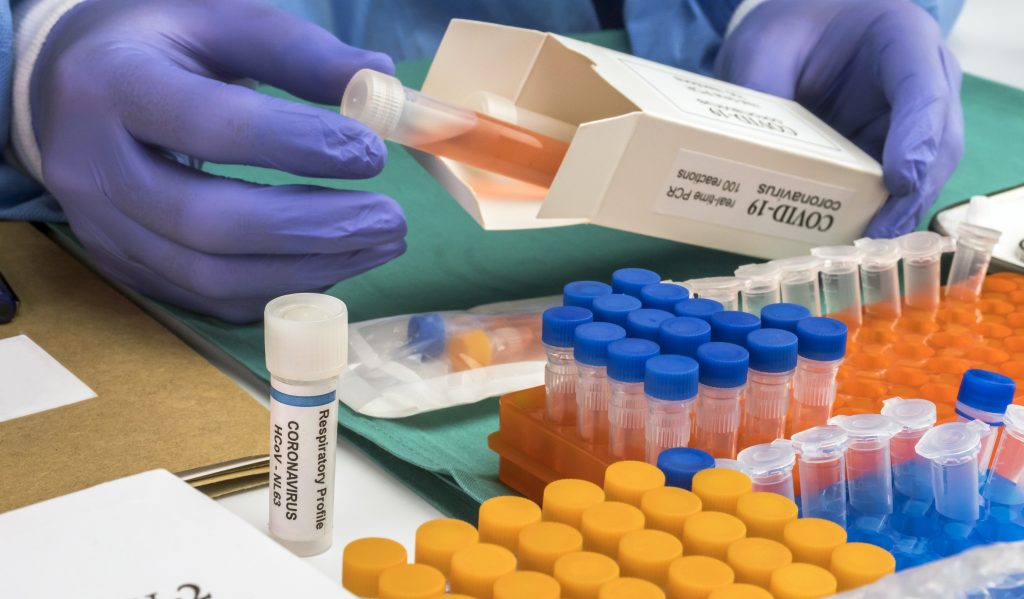
The importance of compliance is also seen in healthcare logistics, where strict temperature monitoring and control systems align with industry regulations. For instance, tools like SEQOS software allow businesses in the food and beverage, pharmaceutical, and medical industries to meet these challenges head-on. SEQOS systems monitor and regulate temperatures effectively, providing real-time tracking and personalised management solutions
This ability to customise its software remains a standout feature for SEQOS, so businesses can integrate regulatory requirements into their operations and deliver consistent results. So whether you’re in healthcare, food logistics, or another sector reliant on precise operational control, SEQOS has tailored solutions to fit your business:
Healthcare and Pharmaceuticals
- Regulatory assurance to ensure compliance with strict standards as set by international and Australian Government Guidelines.
- Maintain the integrity of temperature-sensitive products such as vaccines, biologics, and medicines with built-in monitoring and reporting.
Food and Beverage Logistics
- Freshness guarantee to optimise storage and transportation of perishable goods from baked goods to fresh meats, to meet food safety standards and reduce spoilage.
- Custom workflow integration by adapting the software to manage multi-temperature zones for diverse product types.
Cold Chain Logistics
- Temperature compliance through automated adherence to cold chain standards, maintaining optimal conditions for perishable and sensitive goods.
- Real-time data access that helps identify risks in real-time and take corrective action immediately to prevent loss.
- Operations that allow the handling of large-scale, multi-location cold chain operations.
What are Key Tools for Ensuring “Strive for 5” Compliance?
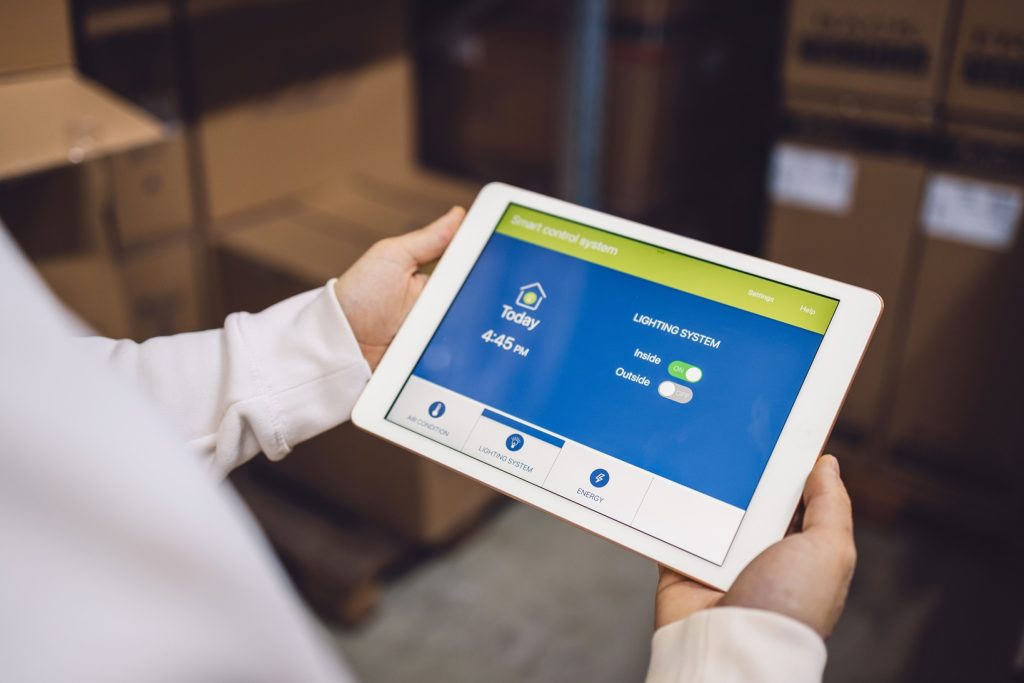
To effectively uphold the “Strive for 5” initiative, it is important for businesses to leverage the right tools and partnerships with solutions that form the backbone of a reliable cold chain, so temperature-sensitive products remain within the ideal temperature range throughout their journey.
Temperature Monitoring Solutions
- Precision Equipment: Temperature loggers offer a range of time temperature indicator options with different temperature sensitivities, which is crucial to maintaining temperatures for compliance and quality. IoT sensors or cloud-based platforms have real-time monitoring systems to continuously track and ensure adherence to the 5°C target. These systems offer detailed records of temperature fluctuations, which can be invaluable for trend analysis, improving operational efficiency, and ensuring regulatory compliance. The ability to track temperature variations over time helps businesses identify potential risks early and take proactive measures to avoid food spoilage or product degradation.
- Automated Alerts and Proactive Management: Advanced monitoring systems today can enable automatic alerts when temperatures deviate from their recommended range. These alerts, which come in the form of SMS, Email, or integrated dashboards, help businesses act immediately to reduce the risk of temperature fluctuations. The use of these proactive management tools provides insights that help optimise processes and minimise waste. This way, your business can maintain compliance with industry standards and prevent disruptions for smoother operations.
- Industry-Leading Examples: Consider solutions like SEQOS’s advanced monitoring systems, which demonstrate the power of cutting-edge tools in achieving “Strive for 5” compliance.
Cold Chain Services
Logistics companies specialising in cold chain management play a vital role in maintaining 5°C throughout the supply chain, offering a range of services, including:
- Refrigerated Transportation: Utilising refrigerated trucks and containers specifically designed to maintain consistent temperatures during transport.
- Cold Storage Facilities: Securing temperature-controlled warehouses for optimal storage conditions for products before reaching their final destination.
- Expertise and Training: Many cold chain service providers offer training and guidance on best practices for maintaining “Strive for 5” compliance within your organisation.
Partnering with reliable cold chain service providers, along with the use of advanced temperature monitoring tools, are important in maintaining a consistent 5°C temperature throughout the product journey.
Are there Risk Management Protocols for Mitigating Temperature Excursions?
Effective risk management is crucial for preventing temperature excursions (spikes/drops) that can compromise product quality. Here’s a look at common risks and mitigation strategies:
Temperature Fluctuations During Transit. Variations in temperature, delays in transport, and inadequate temperature control within vehicles can all contribute to temperature inconsistencies.
- Power Outages in Storage Facilities. Power failures can disable refrigeration systems, leading to rapid temperature increases within storage units.
- Human Error: Incorrect handling of products, improper storage procedures, and failure to monitor temperature logs can result in temperature deviations.
- Equipment Malfunction: Refrigeration units, temperature monitoring devices, and other equipment can malfunction, leading to undetected or uncontrolled temperature changes.
- External Factors: Natural disasters, extreme weather events, and other unforeseen circumstances can disrupt the cold chain and pose significant risks.

Minimising Risks
Companies can minimise these risks through a multi-faceted approach, using best practices to maintain the optimal 5°C:
- Invest in reliable equipment. Use high-quality, calibrated temperature monitoring devices, robust refrigeration systems with backup power supplies, and well-maintained transportation vehicles.
- Prioritise employee training. Implement comprehensive training programs to avoid risks of human error. This can cover proper handling procedures, temperature monitoring protocols, emergency response procedures, and the importance of adhering to sops.
- Strictly adhere to protocols. Establish routines and enforce clear protocols to check and audit for temperature monitoring, storage procedures, transportation guidelines, and emergency response plans. Regular audits and inspections can ensure compliance.
- Implement redundancy and contingency plans. Implement backup systems for critical equipment, develop contingency plans for power outages and other emergencies to avoid temperature excursions (spikes/drops), and establish clear communication channels for reporting and resolving issues.
- Utilise technology. Employ real-time monitoring systems with automated alerts to detect temperature excursions immediately and enable prompt corrective action. Data logging and analytics can identify trends and potential vulnerabilities in the cold chain.
- Collaborate with experienced businesses. Partner with experienced cold chain software providers, like SEQOS which has robust risk management strategies and proven track records that can significantly enhance the security and reliability of your cold chain.
Cryosite’s Case Study:
Cryosite, a leader in pharmaceutical and healthcare logistics, are a great example in this space. By integrating SEQOS temperature monitoring systems, they ensure compliance with strict temperature control regulations, setting the standard for industry best practices.

Cryosite’s risk management process showed a strong quality foundation. By meeting industry standards and certifications, they have been able to gain better control, traceability, and faster issue resolution.
With the use of SEQOS advanced technology, like real-time monitoring, they prevent temperature excursions and protect product quality. Their trained personnel ensures proper handling to minimise errors. Robust contingency plans address unforeseen events, such as power outages, to maintain uninterrupted product flow.
By adopting a proactive approach to risk management, companies can significantly reduce the likelihood of temperature excursions and ensure the integrity of their cold chain operations.
Strive for 5 in COVID-19 Era: Case Study
The “Strive for 5” principle has been pivotal, especially during the COVID-19 pandemic. This emphasises its relevance across industries. Here’s how it was applied:
Pharmaceutical Industry
The pandemic highlighted the need for strict cold chain management, particularly for vaccines requiring 2°C to 8°C, with 5°C as the ideal midpoint. “Strive for 5” became a key standard for healthcare providers and logistics companies.

The rapid vaccine rollout faced logistical hurdles like maintaining temperatures during long-distance transport and last-mile delivery. Robust monitoring systems and well-trained personnel ensured compliance, reducing vaccine wastage.
“Strive for 5” compliance made sure of the safe delivery of billions of vaccine doses, which became crucial in combating the pandemic.
Food Safety Programs
Maintaining perishable foods at or below 5°C prevented bacterial growth, reduced spoilage, and extended shelf life.
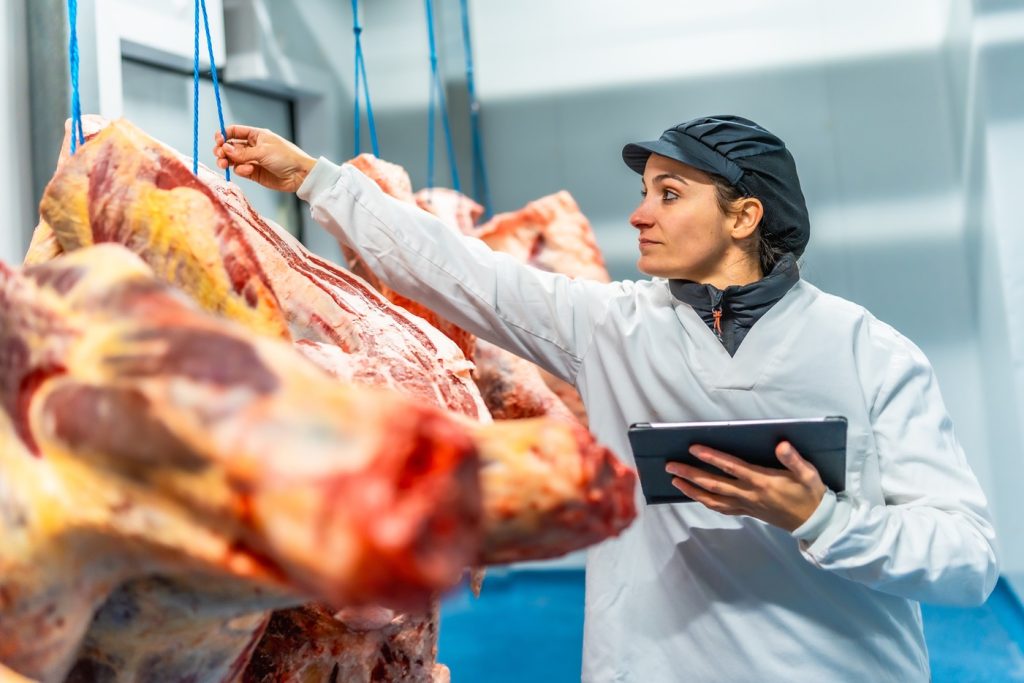
“Strive for 5” became vital from farm to retail, ensuring freshness through rapid cooling after harvest, temperature-controlled processing, and proper storage during transit.
This approach protected consumer health and reduced economic losses from food waste.
Cold Chain Logistics:
“Strive for 5” emphasised the need for effective cold chain logistics as it preserved the quality of sensitive goods.
Reliable refrigerated transport, real-time monitoring, and efficient delivery schedules minimised risks, and adherence to “Strive for 5” became critical for pharmaceuticals, food, and biotechnology to make sure that products reached consumers in peak condition.
The COVID-19 pandemic emphasised the importance of “Strive for 5” in all these aspects. By adopting robust protocols and investing in technology, organisations were able to protect the quality and efficacy of temperature-sensitive products.
Why is “Strive for 5” Essential for Cold Chain Success?
Maintaining 5°C safeguards pharmaceuticals to ensure medication and vaccine efficacy; protects food safety by preventing spoilage; preserves product integrity in logistics; and ensures regulatory compliance.
Companies like SEQOS play a crucial role by providing advanced monitoring systems with real-time data, automated alerts, and comprehensive reporting. This allows businesses to proactively monitor conditions, maintain accurate records for compliance, and optimise processes for enhanced efficiency.
In today’s complex global supply chains, maintaining cold chain integrity demands attention. This is why businesses are urged to review their practices, adopt innovative technologies for real-time visibility, prioritise staff training, and stay updated with industry guidelines.
By embracing “Strive for 5” and leveraging available resources, companies can build resilient cold chains that safeguard product quality, protect public health, and drive sustainable growth. Contact us for more information on cold chain management and warehousing.
