

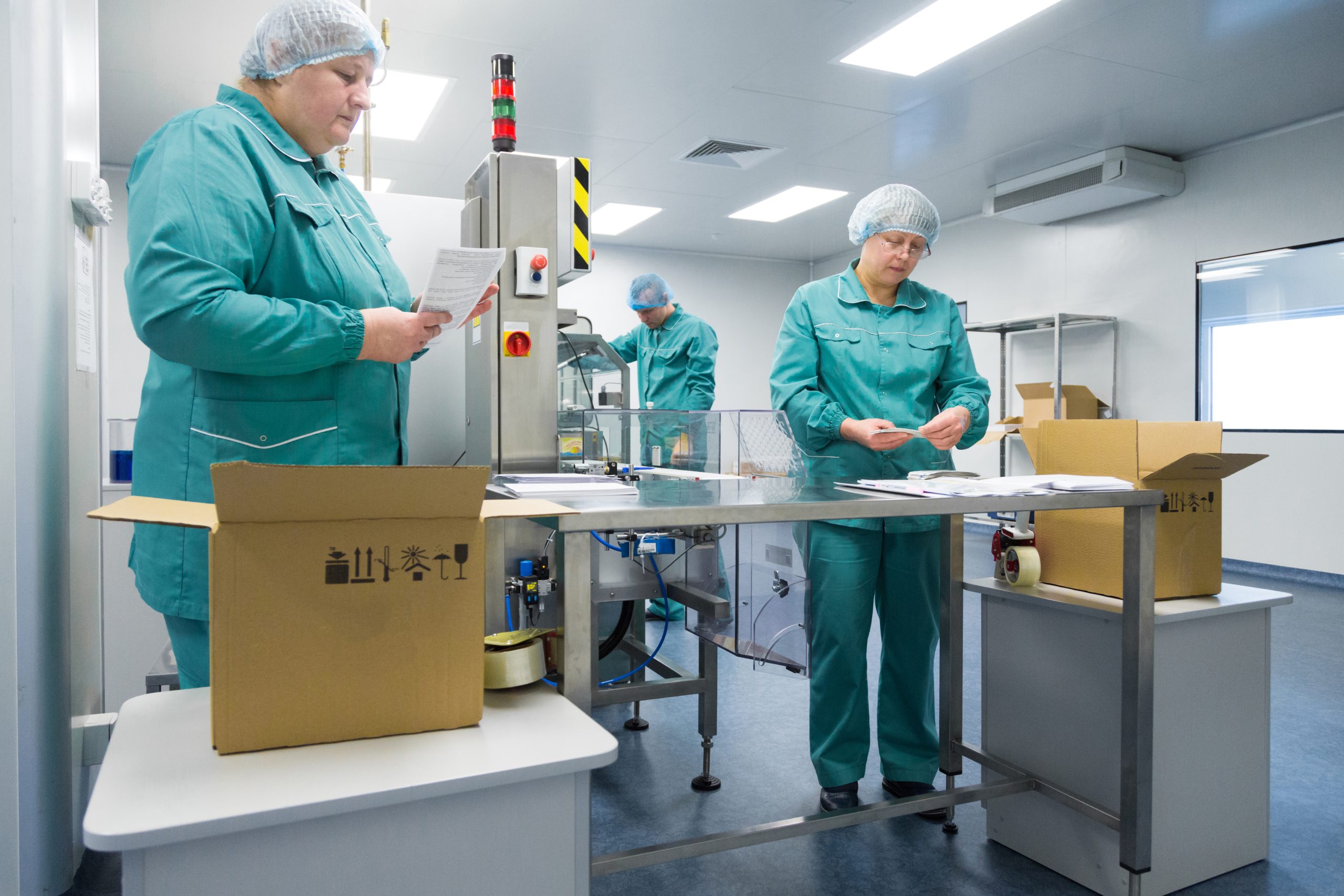
Cold chain logistics manages the movement and storage of temperature sensitive products under controlled conditions. Warehouse managers, supply chain directors, and compliance officers carry this responsibility each day as they protect pharmaceuticals, biological materials, and other goods that deteriorate quickly when temperatures shift.
Work inside a cold chain facility requires accuracy at every moment. Some teams perform temperature checks up to twelve times a day, walking the yard with paper logs and making sure each reading is correct. However, manual processes leave gaps that create uncertainty during audits and increase the chance of errors. A single lapse, such as a rising trailer temperature or a refrigerated unit running low on fuel, can compromise products that took months to produce and lead to spoilage, customer claims, and damaged contracts.
These pressures grow as operations scale. More dock doors, more carriers, and more varied products increase the number of points where temperature drift can occur without detection. Missing or inaccurate records weaken compliance, even when products remain safe. Limited visibility in the yard intensifies this risk because staff may struggle to locate trailers quickly enough to intervene before minor issues become costly failures.
Here’s a structured view of common breakdowns to help illustrate what is at stake –

When seen together, these risks show why many organisations are reconsidering how they maintain control over their temperature sensitive inventory. Strengthening cold chain operations requires a clear understanding of the risks that teams must manage every day and the points at which small errors escalate into significant failures.
What Risks Must Cold Chain Logistics Teams Control Every Day?
Cold chain logistics depends on consistent control of three core variables. The set temperature, the actual temperature, and the fuel level that maintains refrigeration. These values work together to protect product integrity and indicate equipment performance. Any inconsistency in monitoring creates uncertainty about the true condition of a load, especially in multi zone trailers where each compartment may have different requirements.
The behaviour of temperature sensitive products illustrates how even minor deviations can lead to significant outcomes. For instance, chocolate develops bloom when exposed to heat, vaccines lose potency after brief temperature drift, and liquids can freeze and expand inside sealed cans. These risks highlight the need for precise traceability, complete documentation, and full visibility across every stage of handling. In regulated industries, accurate records and uninterrupted care are essential for demonstrating compliance and safeguarding sensitive goods.
These are the risks that warehouse operators often manage daily –
- Temperature variation
- Missing timestamps
- Inaccurate readings
- Manual data gaps
- Dock door delays
Each of these risks grows larger when facilities rely on disconnected processes or manual verification. Consistent control becomes essential, and the next step is understanding how teams can monitor these conditions without unnecessary labour or frequent interruptions to workflow.
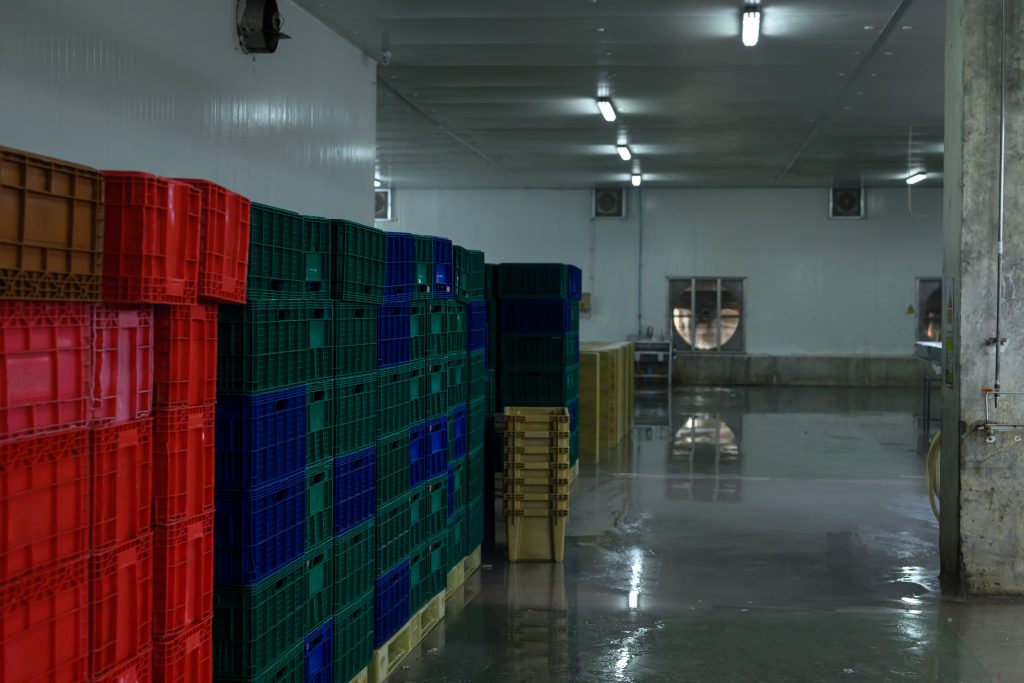
How Can Operations Track Temperatures and Fuel Without Losing Time?
Cold chain logistics becomes difficult to manage when facilities rely on manual yard checks, paper logs, and delayed reporting. This consumes significant time and often interrupts other critical work. Without real time visibility, teams must rely on frequent physical inspections to ensure that trailers remain within the correct temperature and fuel thresholds.
The burden becomes even heavier in environments with strict protective gear. For instance, a simple task such as locating a trailer can take forty minutes when workers must remove freezer clothing, walk into the yard, search for the unit, and return to their workstation. These delays increase the chance that temperature drift goes unnoticed. They also place unnecessary pressure on staff, who must balance physical checks with the fast pace of warehouse activity.
Modern technology offers a way to reduce this workload. IoT sensors placed inside trailers provide continuous temperature readings. Telematics units on refrigerated equipment supply real time information on fuel levels, operating status, GPS position, and door activity. When a warehouse management system receives these feeds directly, teams gain a clear view of each unit without leaving their workstation. This shift allows operators to focus on exceptions rather than routine checks.
Several tools now support accurate and efficient monitoring –
- Temperature probes
- Refrigeration unit integrations
- WMS connected alerting
- Centralised data capture
These technologies reduce manual effort and create a more reliable operating environment. With these foundations in place, the next consideration is where cold chain management tends to break down inside the warehouse and yard, and why visibility gaps continue to create risk.
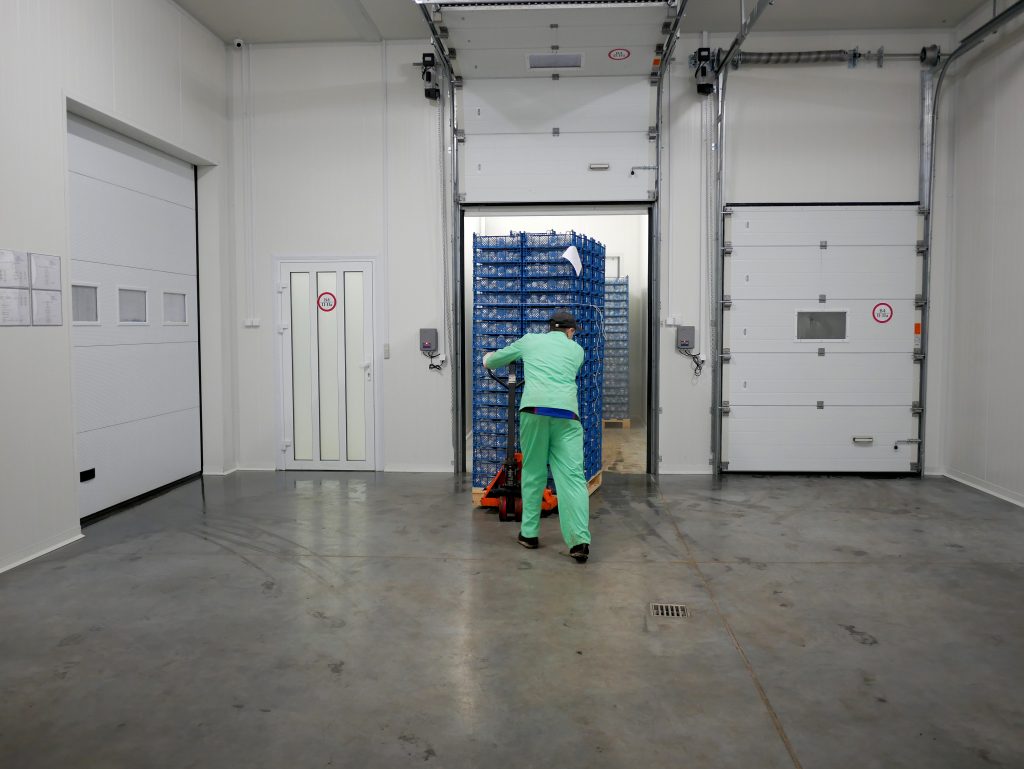
Where Does Cold Chain Logistics Commonly Break Down in the Warehouse and Yard?
Cold chain logistics often falters in the yard, where visibility is limited and refrigerated units may sit unattended for long periods. Once a trailer clears the gate, staff may assume it remains within range until loading begins. This assumption introduces risk because temperature drift can occur quickly when a unit runs low on fuel or experiences a mechanical issue. Without continuous monitoring, a warehouse may not detect a problem until the product has already been compromised.
Breakdowns also arise when warehouse, yard, and monitoring systems operate independently. If the yard management process does not exchange information with the warehouse management system, staff cannot easily confirm trailer locations, understand which units require checks, or verify whether set temperatures match product specifications. In multi zone trailers, this challenge becomes greater because one compartment may remain stable while another drifts, creating partial spoilage that is difficult to identify without zone specific data.
Precool workflows introduce another layer of complexity. Many products must be loaded into trailers that have already reached the correct operating temperature. When a trailer arrives without precooling, staff may bring it to a dock in its ambient state, exposing the warehouse to warm air and increasing the temperature load on sensitive goods. This temperature shock can accelerate degradation before the refrigeration unit has time to stabilise the environment.
Here’s how these issues present differently in each area –
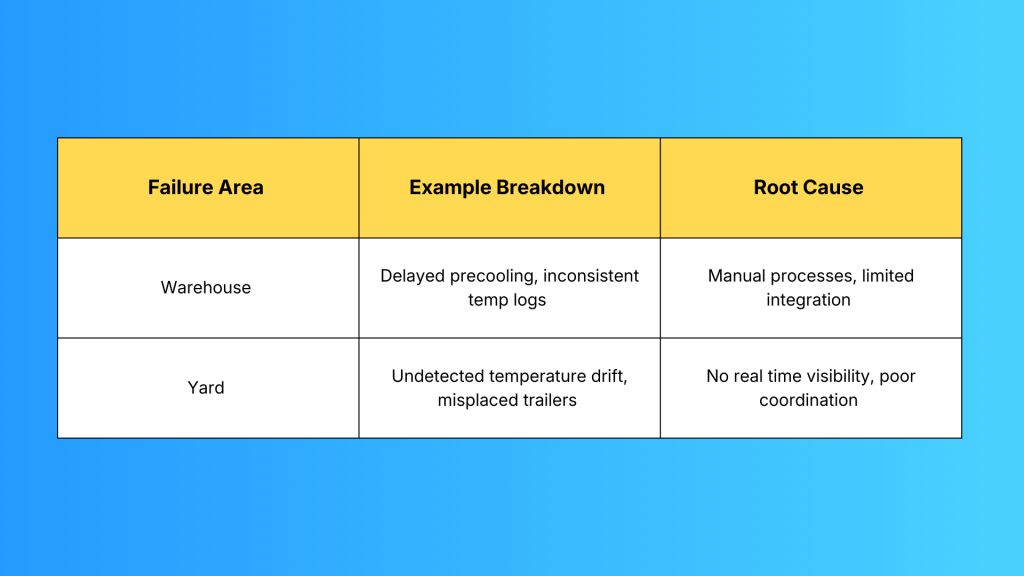
Understanding these breakdowns is an essential step toward building stronger cold chain control. With these risks identified, the next focus is how a warehouse management system can reinforce temperature integrity and create reliable workflows that support every stage of handling.
How Does SEQOS Strengthen Cold Chain Logistics Inside the Warehouse?
Warehouse management systems like SEQOS. strengthen cold chain logistics by creating a unified source of data for inventory, movements, and temperature sensitive workflows. When receiving, storage, yard coordination, and dispatch all follow system driven steps, teams spend less time on manual checking and more time responding to genuine risks. Structured tasks, guided processes, and accurate records help maintain product integrity while easing the pressure on staff who work in high-risk environments.
SEQOS applies cold chain principles through capabilities designed specifically for cold chain operations. Multi zone temperature tracking highlights variations in real time, and integrations with sensors and telematics provide continuous data on temperature, fuel, and unit status.
Automated precool tasks help trailers reach the correct conditions before loading, while detailed chain of custody logs support audit readiness. Exception based alerts guide staff toward immediate action when thresholds are crossed, which reduces labour demands and prevents small issues from escalating into spoilage. These strengths are reflected in SEQOS’s work with Cryosite, a specialist in clinical trial, biological, and cell and gene therapy logistics where precision, privacy, and traceability are critical.
The experience of Cryosite illustrates the impact of these capabilities. Cryosite handles highly sensitive biological materials that require precise temperature control and uninterrupted traceability. Their challenge centred on maintaining sample integrity while managing complex workflows and strict compliance obligations.
SEQOS provided structured handling rules, reliable visibility across each stage of movement, and records that satisfied regulatory expectations. The result was a more controlled operating environment that aligned with the high standards required in their field.
How Can Organisations Strengthen Their Cold Chain Logistics Strategy?
Cold chain logistics becomes more reliable when organisations prioritise constant visibility across every stage of handling. Establishing a clear line of sight from the gate to the dock allows teams to detect temperature drift, low fuel levels, and placement issues before they affect product quality. When facilities build this visibility into their daily operations using systems like SEQOS, they reduce the chance of unexpected failures and create a more stable environment for sensitive goods.

A strong strategy replaces manual temperature checks with system driven workflows that guide staff through each required action. Integrating the warehouse management system with yard systems and telematics strengthens this approach by unifying temperature, fuel, and location data. This consolidated view helps teams work with greater accuracy and reduces the need for repeated physical inspections.
A unified temperature and fuel record supports both operational control and regulatory expectations. Maintaining complete logs for every unit helps organisations respond confidently during audits and resolve customer queries with clear evidence. Building a risk-based monitoring schedule further enhances this structure. High risk products can be assigned tighter controls, while lower risk loads can follow a more efficient routine. This creates a balanced oversight model that meets compliance requirements without overwhelming staff.
A cold chain readiness assessment also helps teams evaluate their current position –
- Documented temperature ranges
- IoT calibration SOP
- Alert escalation rules
- Precool processes
- Audit trail completeness
These elements form a foundation for a resilient cold chain strategy. If your organisation is evaluating how to modernise cold chain workflows, solution like SEQOS may offer better control systems tailored to temperature-sensitive logistics. You are welcome to book a demo with our team to explore how our software features can support your facility.
