


Order picking sits at the centre of warehouse operations. It is labour-intensive, expensive to run at scale, and highly sensitive to small inefficiencies. Extra seconds per pick, wasted travel, and avoidable mistakes can quickly drive up labour costs, delay dispatch, and weaken service performance. For warehouse leaders, improving picking is one of the clearest ways to improve both cost and service outcomes.
Speed and accuracy are often treated as competing priorities, but they usually break down for the same reasons. Poor slotting, excessive travel, unclear workflows, and weak system controls slow operators and increase errors. When pickers spend more time searching, checking, or correcting mistakes, throughput falls and accuracy suffers.
The pressure is especially high in pharma and 3PL environments. As a WMS software provider, we have worked with warehouses in these settings, where the cost of picking errors is far higher than lost time alone. In pharma, the wrong item, lot, serial, or expiry can create compliance exposure and patient risk. In 3PL, mispicks and delays can lead to SLA breaches, customer complaints, rework, and chargebacks. That is why improving picking is not about pushing staff to move faster. It is about designing a system with stronger flow, visibility, verification, and control.
Why warehouse picking slows down and errors keep happening
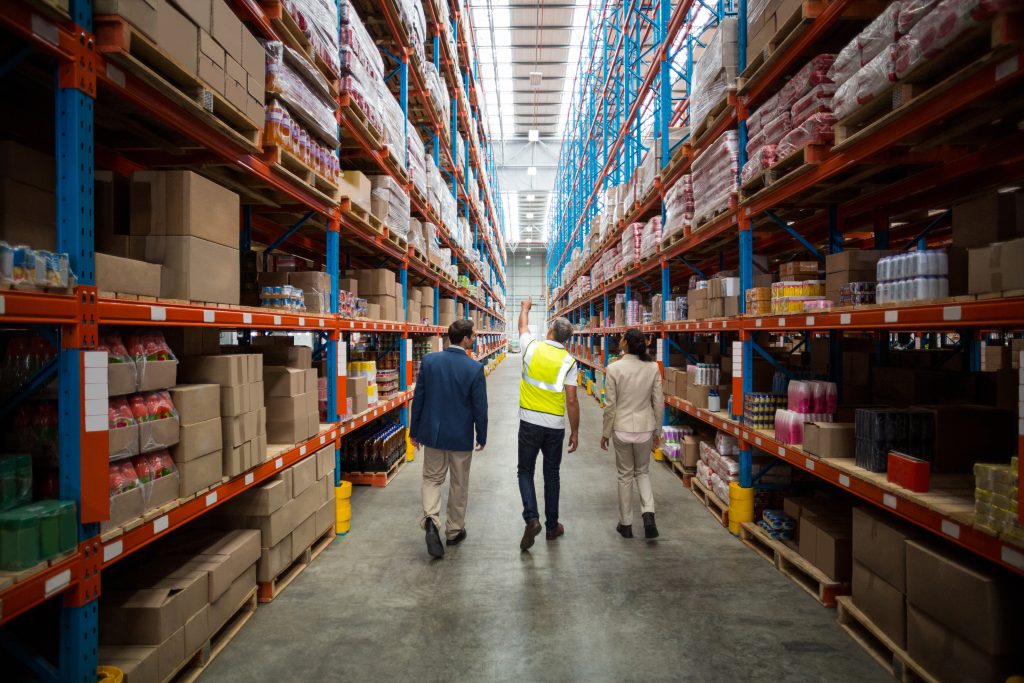
Warehouse leaders often assess picking through metrics such as picks per hour or error rate, but those figures can hide where time is really being lost. Picking usually breaks down into travel time, search time, the physical pick, confirmation, and exception handling. In many warehouses that use our software, the biggest losses happen outside the pick itself. Staff spend more time walking, locating stock, checking details, and resolving issues than actually handling product.
Travel is often the biggest hidden drag on productivity. Poor slotting, inefficient routing, bin confusion, replenishment failures, inventory inaccuracies, paper-based processes, and weak master data all slow work and increase error risk. Similar-looking SKUs, weak exception handling, and rushed onboarding make the problem worse. In pharma, these gaps affect lot control, expiry management, FEFO discipline, and traceability. In 3PL operations, shared aisles, multi-client workflows, and account-specific rules add further complexity.
Slow picking and picking errors rarely come from a single issue. They usually reflect a connected mix of layout, data, workflow, and control problems. That is why isolated fixes often fall short. Real improvement starts with identifying the root causes shaping work on the floor every day.
Common picking problems
| Common picking problem | How it slows operations | How it creates errors | Relative effort to fix |
| Poor slotting | Increases walking distance and wasted motion | Places fast and similar items in awkward or confusing locations | High |
| Inefficient routing | Causes backtracking, congestion, and longer pick paths | Raises the chance of skipped or incorrect stops | Medium |
| Bin and location confusion | Slows decisions at the shelf | Leads to wrong-location and wrong-item picks | Low |
| Replenishment timing failures | Interrupts picking flow and forces detours | Encourages substitutions, short picks, or manual overrides | Medium |
| Inventory record inaccuracy | Creates time spent checking, recounting, and searching | Produces picks from stock that is unavailable or incorrect | High |
| Paper-based workflows | Adds manual handling and slows confirmation | Introduces transcription mistakes and missed updates | Medium to High |
| Poor master data | Makes items harder to identify quickly | Causes confusion between similar SKUs, units, or pack sizes | Medium |
| Similar-looking SKUs | Slows visual verification | Increases wrong-item and wrong-lot selection | Low to Medium |
| Weak exception handling | Leaves staff waiting or improvising | Creates inconsistent decisions and unrecorded workarounds | Medium |
| Labour variability and rushed onboarding | Reduces picking confidence and consistency | Increases avoidable errors under pressure | Low to Medium |
How to improve picking accuracy without slowing the warehouse down
Many warehouses still rely on final checks, supervisor oversight, and individual vigilance to catch mistakes before dispatch. That can work in a simpler operation, but it weakens as volume, SKU count, and client complexity grow. By the time an error is found, the warehouse has already absorbed the wrong travel, handling, and rework. Accuracy improves when control moves closer to the point of pick.
This is where warehouse management software like SEQOS plays a direct role. Barcode scanning, RF-directed picking, voice picking, mobile task assignment, and scan validation of location, item, lot, serial, expiry, and quantity strengthen control during execution.
“For 3PL warehouses, flexibility is critical. They need software that can either support a wide range of requirements out of the box or adapt quickly as new client demands emerge,” says Richard Bullock, Founder of SEQOS, who has 35 years of experience in logistics and supply chains. “Our software already covers a broad range of operational requirements, which means many of those needs are met from the start,” he adds.
These tools reduce ambiguity, cut paper handling, speed up confirmation, and make picking more consistent across teams and shifts.
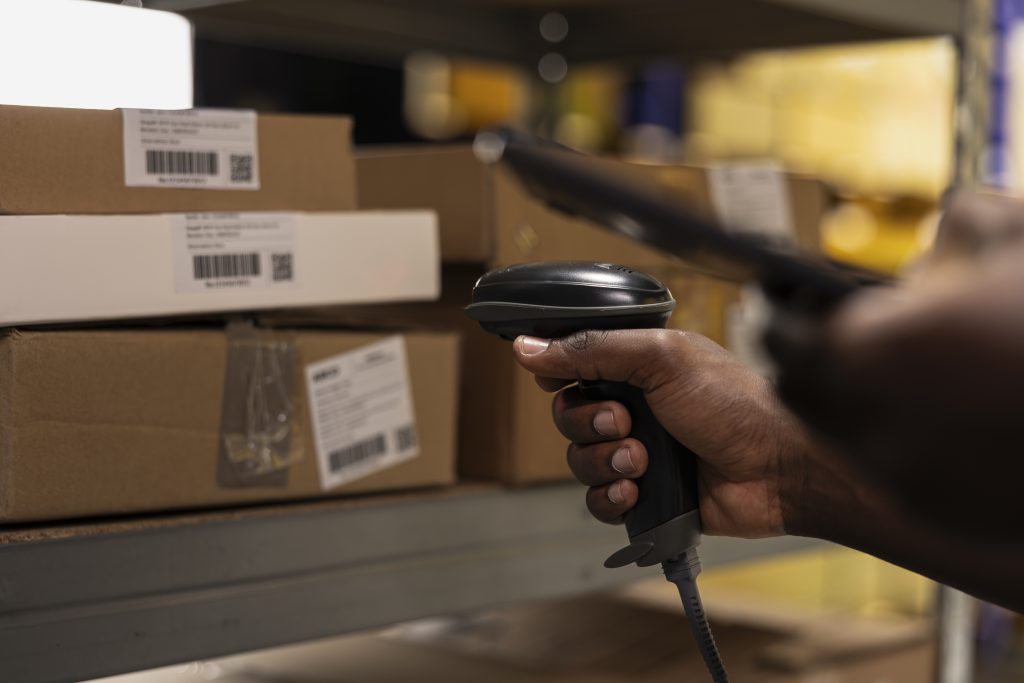
A strong WMS does more than record transactions. It directs tasks, verifies locations, enforces batch and expiry rules, and manages exceptions in a controlled way. That matters even more in pharma and 3PL environments, where traceability, service consistency, and audit readiness depend on what happens at the point of execution.
Technology still depends on sound process design. If slotting, replenishment, or location logic is weak, software will only move people through the same flawed workflow faster. Strong picking performance comes from combining disciplined operations with system-driven control.
What strong point-of-pick control looks like
- The picker receives a clear system-directed task rather than a paper list or verbal instruction
- The system confirms the correct location before the pick is completed
- The item, quantity, lot, serial, and expiry are validated where required
- Exceptions such as short stock, blocked bins, or damaged goods follow a defined workflow
- Task confirmation happens in real time, which keeps inventory status current
- Supervisors can see bottlenecks, overrides, and productivity issues as they happen
- Audit history captures who picked, what was picked, from where, and when
- The process stays consistent across shifts, new starters, and peak periods
Manual check vs system-validated check
| Control approach | Typical weakness | Operational impact |
| Manual check at end of line | Catches issues late, after time and labour have already been spent | Higher rework, delayed dispatch, weak root-cause visibility |
| Supervisor-dependent checking | Relies heavily on experience and availability | Inconsistent control across teams and shifts |
| System-validated check at point of pick | Prevents errors before they move downstream | Faster confirmation, stronger traceability, fewer avoidable corrections |
Why Most Picking Solutions Fail and What Better Looks Like
Many warehouse improvement projects fail because they treat picking as a labour issue instead of a system issue. Teams push for more effort, add manual checks, or install new software without fixing slotting, replenishment, data quality, and workflow logic. Performance may improve briefly, but the same constraints remain and the gains fade.
The risk is higher in regulated environments, where a weak-fit WMS can create operational and compliance problems. Poor batch and lot control, weak expiry visibility, limited audit trail depth, and inflexible workflows force manual workarounds and weaken traceability. In these settings, the warehouse does not just lose efficiency. It loses confidence in its own process.
Cryosite’s results show how these issues can play out in a regulated warehouse. Their previous WMS lacked proper change tracking and could not record important clinical trial information from earlier orders. This increased manual work, introduced operational risk, and added complexity to the migration. To protect compliance, both systems had to run in parallel until the new environment was validated and the old platform could be retired.
After implementing SEQOS, Cryosite’s operation became more controlled and efficient. Employees reduced working hours from eight to ten hours down to five to seven hours, and order fulfilment increased by 250%.
Alicia Steel, a manager at Cryosite, said the team also saw a “400% reduction in mispicks”, which reflects the level of control the system brought into daily execution. She added that SEQOS gave Cryosite “a competitive advantage with inventory management” and improved client visibility into the details they needed. In practice, that meant stronger traceability, fewer errors, and a platform that supported both operational performance and service expansion.
The wrong-fit system creates friction and risk. The right-fit system supports disciplined, traceable, and faster execution.
Amethyst Group’s case shows how these issues can affect a complex 3PL operation. The business needed a WMS partner that understood customs warehousing, industry regulations, and the different operational needs across five warehouses. Its previous system was slow, prone to errors, and hard to scale. Quality checks took too long, and staff had to spend too much time pulling together key information such as chemical batch codes before despatch. Those delays affected speed, efficiency, and margin. Data entry errors also created safety risks, which was especially serious when hazardous goods were involved.
After implementing SEQOS, Amethyst gained a more flexible and controlled operating environment across its network. The system was configured for each warehouse’s requirements while still supporting a shared operational foundation. Features such as batch picking, kitting, automated data capture, traceability, and configurable access levels helped improve fulfilment speed, data accuracy, and audit readiness.
Nicole Forrest, a manager at Amethyst, said the business has used SEQOS for 14 years and described it as “by far the easiest” compared with other warehouse software the team had used. She also noted that training is minimal, with staff often shown the system once before they are “off picking within a matter of minutes”. That ease of use matters in a 3PL environment, where fast onboarding and consistent execution can have a direct impact on throughput and service performance.
The outcome became especially clear during peak periods. Amethyst reported that after implementing SEQOS, it successfully despatched 80,000 orders within two weeks during a Black Friday and Cyber Monday peak, which had previously not been achievable. The broader lesson for 3PL operators is clear. When the system can handle client complexity, warehouse-specific workflows, traceability, and high-volume fulfilment in a controlled way, picking performance becomes easier to improve and much easier to sustain.
Where Picking Performance Is Won or Lost
Faster, more accurate picking comes from fixing the conditions around the task. Warehouses improve when they reduce wasted travel, remove ambiguity at the shelf, and build stronger system-driven control into each step of execution.
The sequence matters. First, diagnose the root causes. Then improve slotting and workflow design. Strengthen point-of-pick controls. Align the operating model with the demands of the environment. Support all of it with a warehouse system that reinforces discipline instead of forcing workarounds. In pharma and 3PL operations, the cost of weak picking performance reaches far beyond labour waste. It affects compliance, service reliability, client confidence, and the operation’s ability to scale cleanly.
That is why we approach warehouse performance through the realities of execution, traceability, and control. At SEQOS, our focus on detailed audit trail, advanced inventory management, configurable picking methods, labour planning, and product slotting reflects what complex and regulated warehouses actually need to improve. If your warehouse is struggling with slow fulfilment, recurring picking errors, or system-driven workarounds, speaking with a specialist team can help clarify where the real bottlenecks sit and what a better-fit solution should look like.
